
Technical SEO in Portland
Technical SEO is the foundation of search performance, encompassing the behind-the-scenes optimizations that enable search engines to efficiently crawl, index, and understand your website. From site speed and mobile responsiveness to structured data and crawl efficiency, these technical elements directly impact your ability to rank competitively and deliver seamless user experiences. At Levitate SEO, we conduct comprehensive technical audits and implement proven solutions that eliminate barriers to search visibility.
Page Speed Optimization
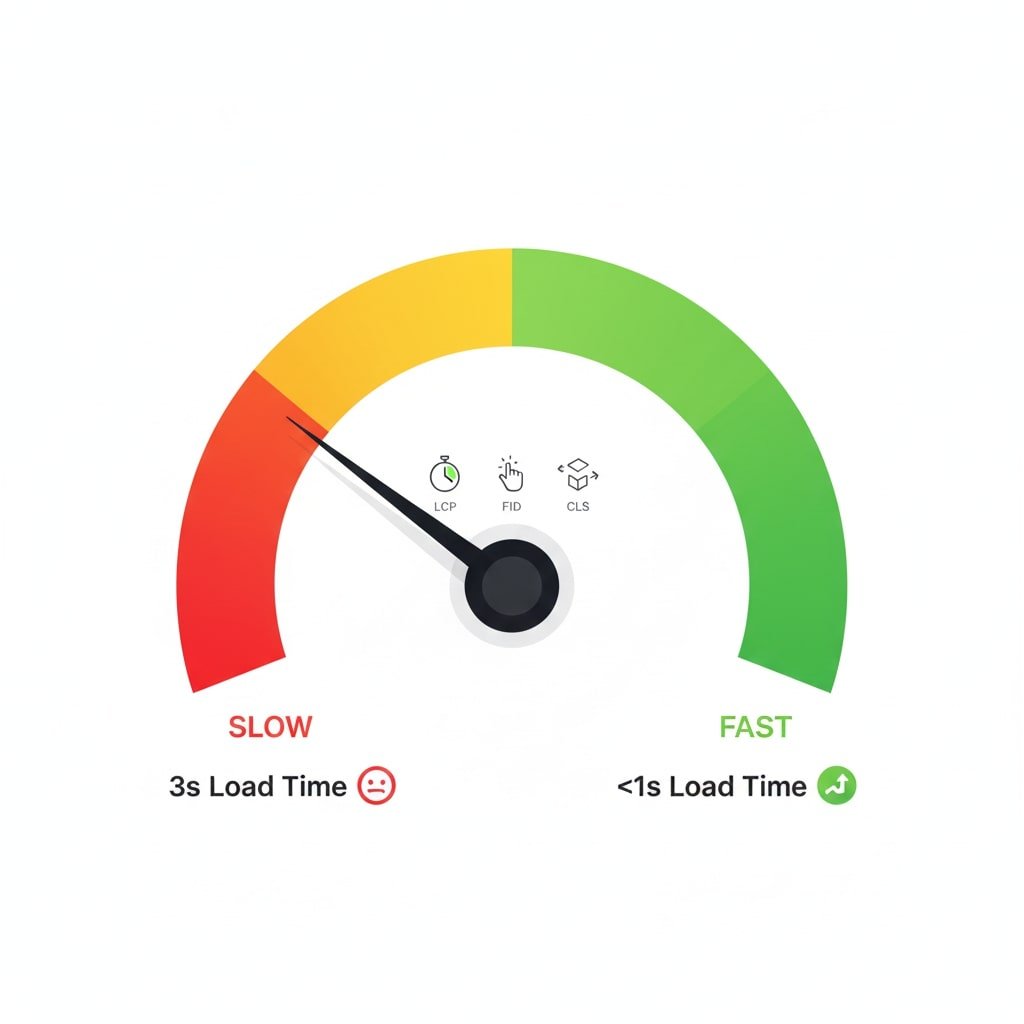
In today’s fast-paced digital world, every second counts. A slow-loading website can frustrate visitors, hurt your search rankings, and drive potential customers to your competitors. At Levitate SEO, we help businesses make their sites faster, smoother, and more responsive—so your audience stays engaged, and your SEO performance improves.
Indexing and Crawling
Crawling is when Google or another search engine discovers a new website and figures out what the new content is about. Indexing is the act of storing the newly discovered information into its vast library. This library is what Google pulls from for each and every search. Without getting your companies website crawled and indexed properly it is completely invisible to Google. Levitate SEO makes sure that Google sees and trusts what your website has to say.

Mobile Optimization
Everyone is on their phone nowadays. Ignoring the differences in how customers view your website on their phone versus on their computer can be a terrible mistake. With everyone on the go, Levitate SEO wants to ensure that your website looks great for those busy people who don’t have time to sit down to find your service.

How we approach the work
Four stops, in this order. You will always know which one your project is in and what comes after it.
-
Audit
Search Console first: what Google has actually indexed, what it has seen and skipped, and what it has never found at all. Then your Core Web Vitals, your sitemap, and how the site is put together underneath. Local Falcon on top of that if you are chasing a map pack as well.
-
Strategy
The audit tells us which job this is. A clean site is weeks of work. One that has been neglected or built badly is months. You get the order we would go in, and why, before anything is touched.
-
Build
Pages written, structure fixed, profile tuned, listings corrected. The order comes from the audit, so nothing gets changed on a hunch.
-
Report
One page a month. Where you rank and where you sit in the map pack, exactly what was done that month, and what comes next.
- +250% Qualified leads for a window cleaning company
Hayden updated our website and fixed a lot of issues that helped match our site with our Google Business Profile listing. He went above and beyond.
Before you get in touch
How much does technical SEO cost in Portland?
Three things move the number: the state of the site you already have, how many service areas you want to be found in, and how hard your industry is to compete in around Portland. I cannot know any of them until I have looked. You get a real number on the first call, before you have spent anything.
Will making my site faster actually improve my rankings?
Google measures three things and publishes them. Largest Contentful Paint is how long until the main thing on the page has actually drawn. Cumulative Layout Shift is how much everything jumps around while it loads. Interaction to Next Paint is how long the page takes to respond when somebody taps something. Those are the Core Web Vitals, and you can see your own scores for free in Search Console.
Passing them will not put you above a page that answers the question better than yours does. Failing them will hold you back against one that is otherwise your equal, and it costs you the visitor either way, because people leave a page that will not draw or will not respond. Fix what is failing, then go and win on the content.
How do I know if Google has actually indexed my site?
Search Console tells you, and it is free. It will show you which pages Google has stored, which it has seen and chosen not to store, and which it has never found at all. Those are three different problems with three different fixes.
The quick version you can run yourself right now: search your own domain with site: in front of it, no space, and count what comes back. If the number is a lot smaller than the number of pages you think you have, that gap is the job.
My web developer says the site is fine. Are they wrong?
Usually they are right about the thing they were hired to do. A developer builds a site for people to use, and by that measure most of the sites I look at are fine. Search engines are a second audience, and nobody briefed them on it.
Those two jobs come apart in specific places. A layout that looks right can still fail Core Web Vitals. A site can work perfectly for every visitor who arrives while being partly invisible to the thing that decides who arrives. Search Console will tell you which of those you have in about a minute, and it is free, so there is no version of this where you have to take my word for it or theirs.
Is SEO better than running ads?
Yes, and I will argue it. Ads stop the day you stop paying for them. Search does not. I am a Yelp advertising partner, which means I see the paid dashboard as well as the organic side, so this is a comparison I have actually watched rather than one I have read about. In the AI era it matters more, not less: generative engine work moves quickly now, and plenty of very large companies have built their entire marketing strategy on being found rather than on buying attention.